4
min read
Stop Letting Crickets Into Your Charlotte Home
Chirping Troubles: Unmasking the Hidden Cricket Crisis in Your Home
Why Winter Weather Increases Pest Activity
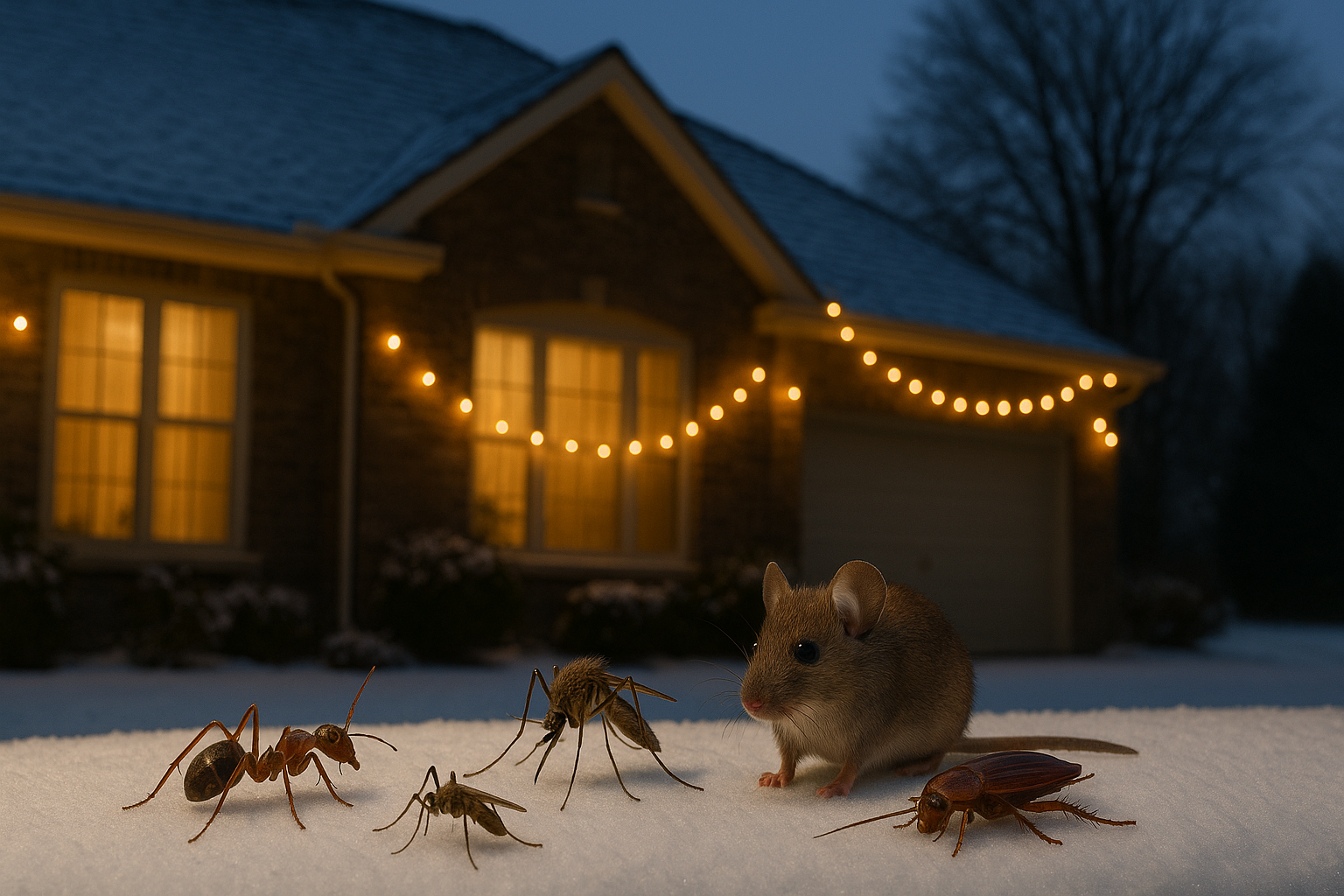
Even when the temperatures dip and the holiday lights go up, pest activity doesn’t disappear. In fact, winter weather can increase pest pressure inside the home. Cold air, wet conditions, and shifts in humidity drive insects and rodents toward warmth, shelter, and easy food sources. Homeowners often assume December through February is “off-season” for pests. The opposite is true: winter becomes the relocation season—pests move inside.
As outdoor conditions turn cold and wet, ants hunt for stable heat sources. Common winter nesting zones include:
Factual note: Odorous house ants are known to nest indoors near moisture and warmth, including in voids near plumbing and other protected areas. (Penn State Extension) Penn State Extension
Homeowner takeaway: Winter rain doesn’t slow ant activity—it pushes them into your living space.
Spiders don’t migrate or hibernate. They stay where the food is.
When winter moisture draws roaches, ants, and small insects closer to the home, spiders follow. Common “low-traffic” hotspots:
Homeowner takeaway: If insects are moving toward your home, spider activity will rise right along with it.
Winter is the breeding season you don’t see. Even small amounts of standing water can set you up for spring pressure.
Factual note: The CDC notes that some mosquito eggs can survive drying out for up to ~8 months and can even survive a winter in parts of the U.S. (CDC) CDC
Common winter water-holders to check:
Homeowner takeaway: A rainy winter fuels the mosquito explosion you feel in April and May.
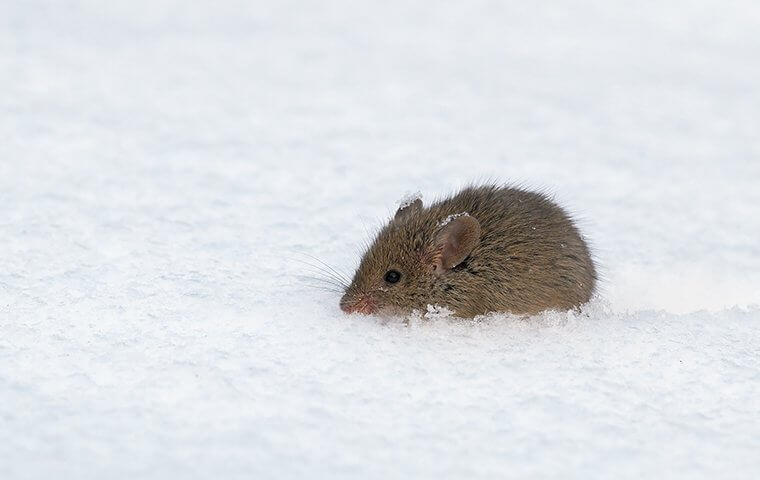
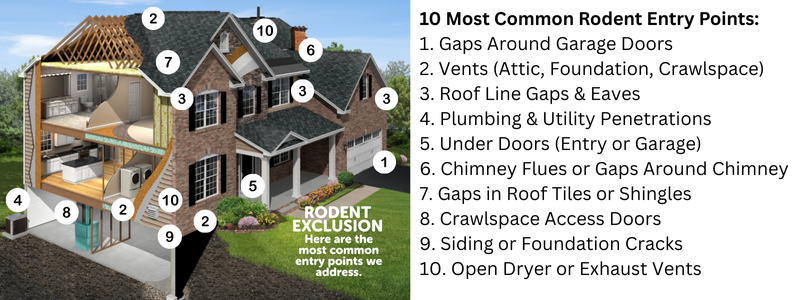
Cold nights and wet ground create perfect reasons for rodents to seek shelter inside:
Once inside, they reproduce quickly, contaminate surfaces, chew wiring, and damage insulation.
Factual note: The U.S. EPA notes that gaps as small as 1/4 inch (about the width of a pencil) can be enough for mice to enter. (EPA PDF) US EPA
For practical guidance on sealing entry points, see the CDC’s rodent “seal up” recommendations. (CDC) CDC
Homeowner takeaway: Winter is the peak season for rodent intrusion—not spring, not summer.
Cold slows roaches—but moisture keeps them going. Year-round humidity pockets include:
Homeowner takeaway: Where winter moisture collects, roaches gather. Expect more movement toward kitchens, garages, and bathrooms.
Ground temps rarely freeze long enough to truly disrupt pest activity for extended periods. Mild spells allow pests to feed, nest, and reproduce. Warm-enough harborages often include:
Homeowner takeaway: Winter isn’t downtime—it’s the quiet buildup before visible spring activity.
Rather than reacting to pests in spring, the most effective approach is winter prevention. Aruza’s quarterly and monthly programs focus on:
By addressing pests while they’re relocating, you prevent the heavy surge that arrives with warmer weather.
A winter service visit isn’t optional—it’s foundational to keeping your home pest-free all year. If you’ve noticed:
Now is the time to act.
CLICK HERE to Schedule a Winter Pest Inspection
Let Aruza fortify your home before pests settle in for the season. Peace of mind isn’t seasonal—and your pest control shouldn’t be either.


%201.svg)